 Environment
 Quality
 HR
 Maintenance
 Sustainability
 Suppliers
 Sales
 Integrations
Chemical risk
The module lets you assess the risk from chemical agents, including carcinogens and mutagens, with recognised methods and a database of around 13,000 substances.

The module in detail
What the Chemical risk module does
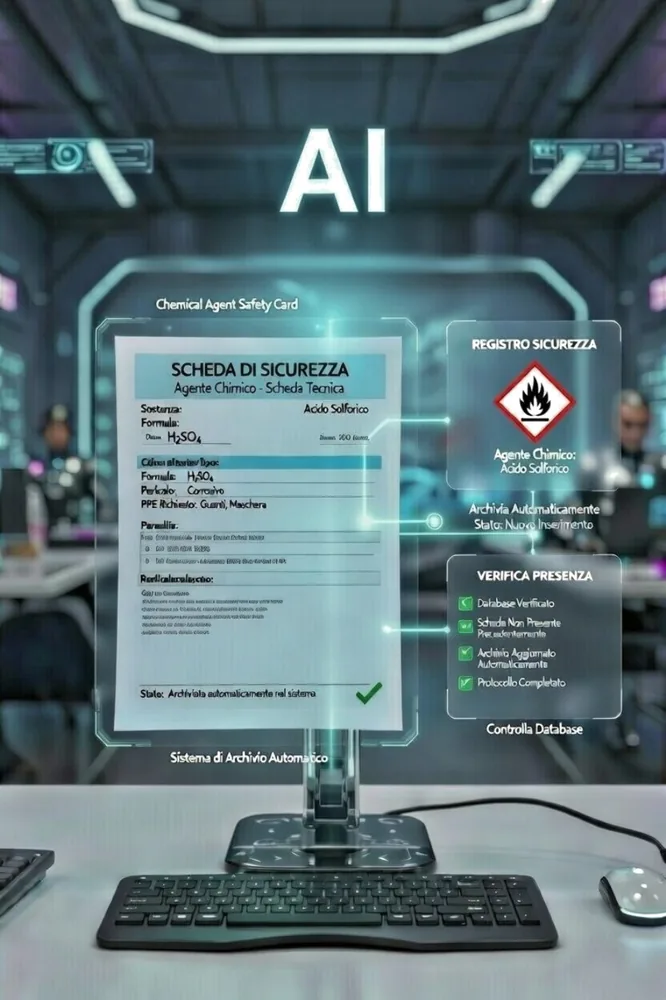
The module drafts the chemical risk assessment document with the method best suited to your case. All methods use a database of around 13,000 pre-assessed substances and mixtures and are up to date with the CLP Regulation, with pictograms and H, EUH and P statements.
Toolbox
Chemical risk methods and tools
Mo.Va.Ris.Ch.
Assessment with a calculation method similar to the Mo.Va.Ris.Ch. model.
ISPRA
Calculation method similar to the one developed by ISPRA, for hazardous chemical agents and for carcinogens and mutagens.
Al.Pi.Ris.Ch.
Calculation method similar to the one of the Piedmont Region, updated to the October 2013 version, for hazardous chemical agents.
Sampled chemical agents
Automatically processes the results of sampling carried out on site and compares them with occupational exposure limit values.
AI recognition of safety data sheets
Artificial intelligence reads the safety data sheets of chemical agents, checks that they are present and automatically updates the Register.
What you get
Why choose the Chemical risk module
The right method for every case
Mo.Va.Ris.Ch., ISPRA, Al.Pi.Ris.Ch and assessment based on sampling data, all in the same module.
Substances ready to use
A database of around 13,000 substances cuts down on entering data from safety data sheets.
Linked to the risk assessment document
Results and measures feed into the risk assessment and into training for exposed workers.
See also
Other modules in the Safety area
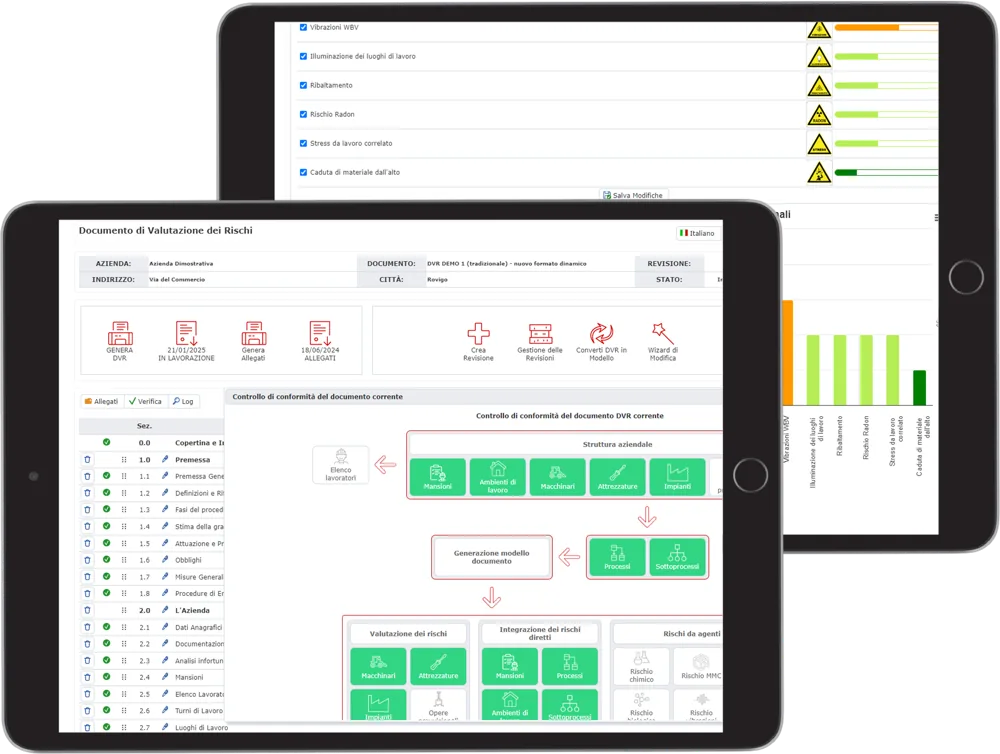 Risk assessment document (DVR)The risk assessment document drawn up with guided workflows, even for complex organisations, and machinery risk profiles from a photo.Go to module
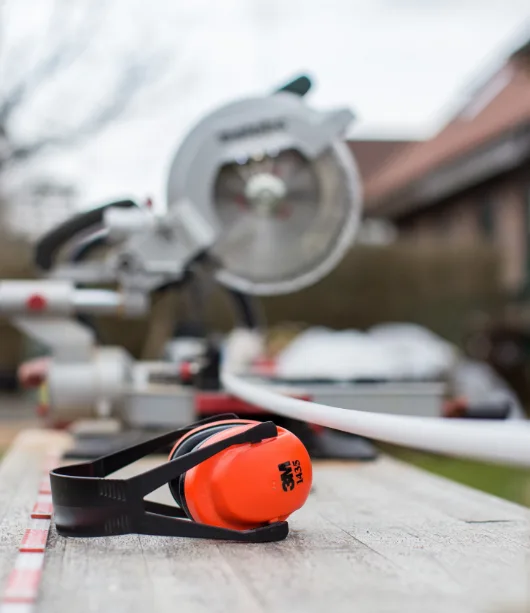 Noise and vibrationDatabases of around 1,800 noise measurements and over 4,000 HAV and WBV vibration measurements.Go to module
 Manual handling and ergonomicsManual handling of loads with N.I.O.S.H., Snook and Ciriello, OCRA and static postures.Go to module
Want to know more? Contact us!
We’ll show you the Chemical risk module on your own processes, with your sample data.